Why Are My Teeth Sensitive? | Causes and Fixes from Ridgetop Dental
Alexandria, United States – February 2, 2026 / Ridgetop Dental /
Ridgetop Dental Explains Common Causes of Tooth Sensitivity and Effective Treatment Options
Summary:
Tooth sensitivity affects millions of adults and often interferes with everyday activities such as eating, drinking, and breathing in cold air. According to Ridgetop Dental, sensitivity typically occurs when enamel wears down or gums recede, exposing nerve pathways inside the tooth. In a recent educational release, the practice outlines common causes of sensitivity, including aggressive brushing, teeth grinding, gum recession, and tooth decay, while also detailing proven treatment options ranging from desensitizing toothpaste and fluoride applications to restorative dental care. By identifying the underlying cause, most patients can achieve lasting relief and restore daily comfort.
Virginia — Tooth sensitivity is a widespread dental concern that can disrupt daily routines and reduce overall quality of life. Ridgetop Dental reports that sensitivity often occurs when the protective layers of the teeth weaken, allowing external stimuli such as hot, cold, or sweet foods to trigger discomfort. Understanding the cause is key to effective treatment and long-term relief.
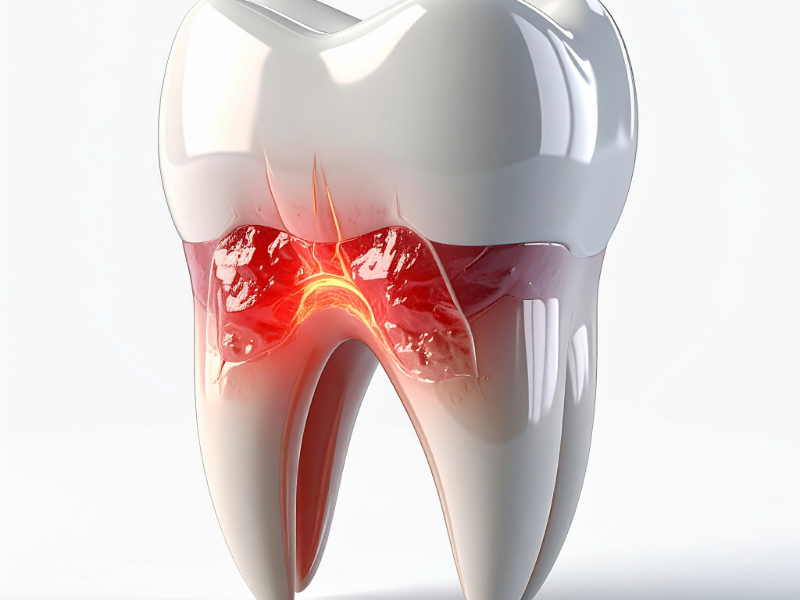
Dental professionals at Ridgetop Dental note that tooth sensitivity typically develops when enamel wears down or gum tissue recedes, exposing the underlying dentin and nerve pathways. While symptoms may appear suddenly, the underlying causes often develop gradually over time.
Primary Factors Contributing to Tooth Sensitivity
Several common conditions are associated with sensitive teeth. One frequent cause is enamel erosion, which can result from acidic foods, beverages, or habitual teeth grinding. Gum recession is another contributor, often linked to periodontal disease or aggressive brushing habits. Cracked teeth, untreated cavities, and worn dental restorations may also expose sensitive areas of the tooth structure.
According to Ridgetop Dental, sensitivity can also be temporary, appearing after certain dental procedures such as professional cleanings, whitening treatments, or restorative work. In these cases, symptoms typically resolve as the tooth stabilizes.
“Many patients are surprised to learn that tooth sensitivity is often a sign of an underlying issue rather than a normal part of aging,” said Dr. Datta Malyavantham, DDS, of Ridgetop Dental. “Identifying the cause early helps prevent discomfort from progressing into more complex dental problems.”
How Tooth Sensitivity Is Evaluated
Proper diagnosis plays a critical role in determining the appropriate course of care. Dental evaluations often include a visual examination, X-rays when necessary, and a review of the patient’s oral hygiene habits. By identifying whether sensitivity stems from enamel loss, gum recession, decay, or structural damage, clinicians can recommend targeted treatment rather than temporary symptom management.
Available Treatment Options for Sensitive Teeth
Treatment for tooth sensitivity varies based on severity and cause. For mild cases, desensitizing toothpaste and topical fluoride applications may help block nerve signals and strengthen enamel. Patients experiencing gum recession may benefit from periodontal treatments designed to protect exposed root surfaces.
In more advanced cases, restorative procedures such as dental fillings, crowns, or bonding may be required to seal exposed areas and prevent further irritation. When grinding or clenching is a contributing factor, night guards may be recommended to reduce enamel wear and protect existing dental work.
Preventive Measures That Support Long-Term Comfort
Preventive care remains one of the most effective ways to reduce sensitivity risk. Ridgetop Dental emphasizes the importance of gentle brushing with a soft-bristled toothbrush, limiting acidic food and beverage intake, and maintaining regular dental checkups. Early intervention often prevents minor sensitivity from progressing into more complex dental concerns.
Understanding When Sensitivity Signals a Larger Issue
While occasional sensitivity can be manageable, persistent or worsening discomfort may indicate deeper oral health problems. Left untreated, conditions such as tooth decay or gum disease can advance and require more extensive treatment. Dental professionals advise patients to seek evaluation when sensitivity interferes with eating, drinking, or daily comfort.
Common Causes and Duration of Tooth Sensitivity
Dental sensitivity may resolve on its own when triggered by temporary factors such as whitening treatments or mild irritation. However, recurring sensitivity often indicates an underlying condition that requires clinical evaluation to prevent progression.
Sensitivity Does Not Always Indicate Tooth Decay
While cavities can cause sensitivity, clinicians note that other factors are frequently involved, including enamel erosion, gum recession, teeth grinding, or small fractures. Diagnostic imaging and clinical exams are commonly used to identify the precise source.
Toothpaste Ingredients Commonly Used for Sensitivity Management
Products containing potassium nitrate or stannous fluoride are widely recognized for their role in reducing sensitivity by limiting nerve response within the tooth structure.
Cost Considerations for Early Intervention
Early-stage sensitivity management is generally more affordable than treatment for advanced dental conditions. Preventive care and early diagnosis can reduce the need for more extensive restorative procedures later.
Whitening Considerations for Patients With Sensitive Teeth
Patients with sensitivity may still be candidates for whitening when protocols are adjusted and enamel-supporting measures are used. Clinical oversight helps reduce discomfort while protecting tooth structure.
About Ridgetop Dental
Ridgetop Dental provides comprehensive dental care with an emphasis on patient education, preventive services, and long-term oral health. The practice is guided by its TEAM I.M.P.A.C.T. core values, including teamwork, integrity, accountability, trust, and continuous growth, which shape how care is delivered and how patients are supported throughout their treatment experience.
The practice offers a full range of general, restorative, cosmetic, and advanced dental services, using modern technology and personalized treatment planning to address both immediate concerns and underlying oral health needs. Ridgetop Dental focuses on building long-term relationships with patients through clear communication, comfort-first care, and consistent clinical standards across all locations.
Ridgetop Dental is also committed to community engagement and social responsibility, including partnerships that provide access to dental care for underserved children and participation in local health initiatives across Northern Virginia.
Contact:
Ridgetop Dental
Serving Alexandria, Reston, and Sterling, VA
https://ridgetopdental.com


Contact Information:
Ridgetop Dental
6481 Old Beulah St
Alexandria, VA 22315
United States
Datta Malyavantham
(703) 997-6073
https://ridgetopdental.com/alexandria